Best Surfaces for Pressure Cleaning and Those to Avoid
Keeping outdoor surfaces clean in Lismore is an ongoing challenge. With our subtropical climate, frequent rain, and warm humidity, exterior surfaces quickly become breeding grounds for green algae, black mould, and stubborn grime. High-pressure cleaning offers an efficient and satisfying way to restore a property's appearance, but applying intense water pressure indiscriminately can lead to costly structural and cosmetic damage.
Understanding which materials can handle intense hydraulic pressure and which require gentler treatment is essential for any homeowner or business owner in the Northern Rivers region.
Surfaces Ideal for High-Pressure Cleaning
Hard, dense surfaces handle high-pressure water blasting remarkably well. For these areas, pressure washing strips away ground-in dirt, slippery mildew, and automotive stains without degrading the underlying substrate.
Poured Concrete and Aggregate
Concrete driveways, garage floors, footpaths, and exposed aggregate paths are prime candidates for high-pressure washing. Concrete is extremely dense, allowing technicians to use higher pounds-per-square-inch (PSI) settings to lift oil stains, tyre marks, and heavy mould that flourish https://emilianogloy114.westhavenscope.com/posts/commercial-bin-storage-cleaning-eliminating-odour-and-grime in Lismore's wetter months.
Hard Brick and Pavers
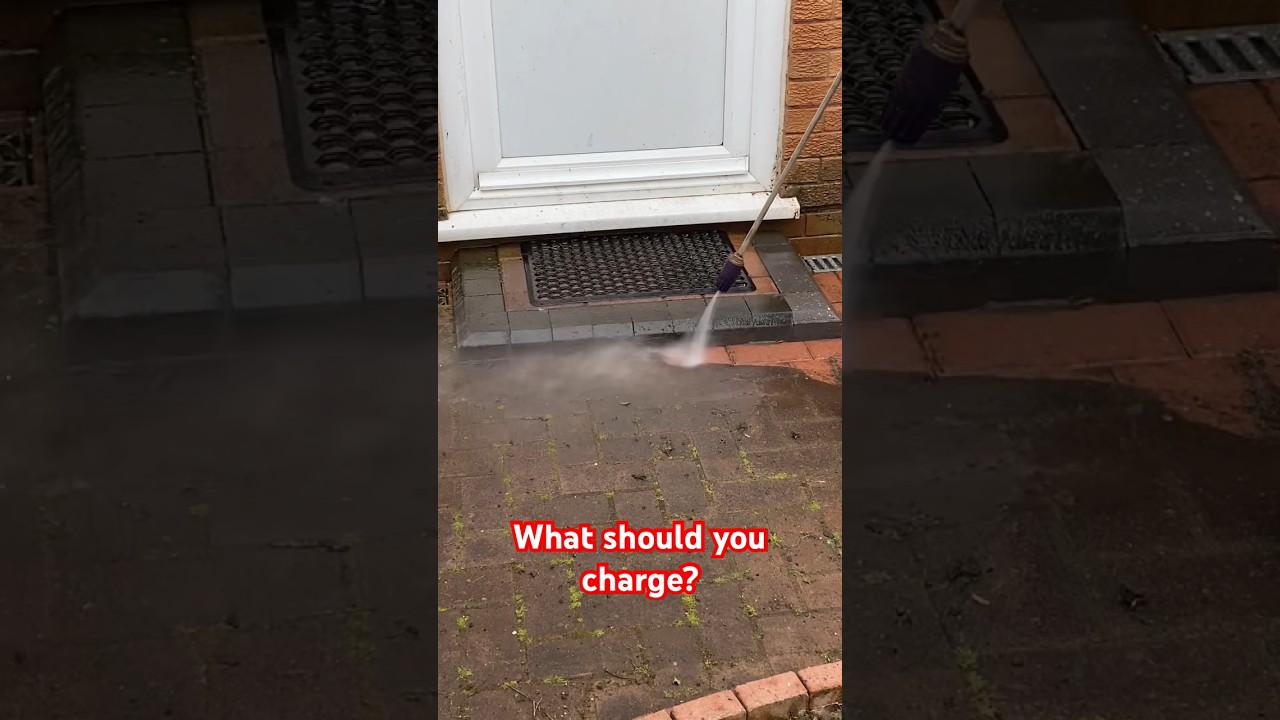
Modern brick paving, patio pavers, and concrete block retaining walls respond well to standard pressure cleaning. The process lifts deep-seated grime and organic staining quickly. After cleaning, it is often wise to sweep fresh polymeric sand into the paving joints to prevent weed growth and stabilise the layout.
- Driveways and Carports: Perfect for removing grease, oil deposits, and persistent tyre rubber stains.
- Commercial Loading Docks and Walkways: Ideal for high-traffic concrete zones requiring deep sanitisation.
- Unglazed Quarry and Ceramic Outdoor Tiles: Highly resilient to medium-to-high pressure washing when grout lines remain intact.
- Galvanised Metal and Structural Steel: Excellent for stripping surface residues, mud, and light corrosion before repainting.
Surfaces to Avoid (or Treat with Soft Washing)
Not all materials can withstand the blunt force of high-pressure water. Using excessive pressure on softer, porous, or aged surfaces can strip finishes, pit materials, gouge wood, and force moisture deep into building cavities.
Timber Weatherboards and Cladding
Many classic Lismore homes feature timber weatherboards or composite cladding. Blasting these with high pressure will strip paint unevenly, splinter wood grain, and force moisture behind boards, creating hidden rot. These materials should always be cleaned using soft washing—a method that uses specialised cleaning solutions applied at garden-hose pressure to neutralise mould before a gentle rinse.

Roof Shingles, Solar Panels, and Fragile Tiles
Blasting asphalt shingles strips away protective mineral granules, severely cutting short the roof's lifespan. Similarly, terracotta roof tiles and modern solar panel arrays should never face high PSI. Water can compromise solar panel seals or shatter micro-inverters, voiding warranties and ruining efficiency.
Aged Brickwork and Sandstone
Historic structures throughout Lismore often feature soft heritage bricks bound by lime mortar, as well as natural sandstone. High pressure easily blasts away soft mortar joints and etches permanent gouges into porous sandstone. These sensitive building materials require tailored, low-pressure chemical treatments.
- Stucco and Dryvit (EIFS): High pressure tears through exterior finishes, puncturing moisture barriers and creating interior leak hazards.
- Lead-Painted Surfaces: Pressurising pre-1970s paint is hazardous; it aerosolises toxic lead dust and washes hazardous waste into local waterways.
- Windows and Outdoor Lighting Fixtures: High pressure shatters glass, compromises double-glazing vacuum seals, and forces water into electrical housing.
- Vehicles and Machinery Panels: Concentrated pressure streams can chip automotive clear coats and dent thin vehicle panels.
Choosing the Right Cleaning Method for Your Property
The secret to effective exterior cleaning lies in matching the pressure level and cleaning agents to the specific material. While a concrete driveway benefits from aggressive rotary surface cleaners, your home's exterior walls, deckings, and roofs require low-pressure sanitisation to safeguard structural integrity.
Taking a cautious approach protects your property's value, extends the lifespan of your exterior paint and timber, and keeps your Lismore property looking immaculate throughout 2026 and well into 2027.
Lismore Pressure Cleaning
(02) 6617 2969